 Last update date:



Quick Summary :-
Tenant isolation, configuration management & product incubation shape how successfully a software product moves from the concept to launch. Not every company follows the same process. In this article we compare product strategy, security practices, development methods and how each company delivers software.Module development & platform foundation influence how quickly a software product reaches the market. Weak product planning or architecture decisions can trigger repeated rework, feature delays & higher development costs before the first release.
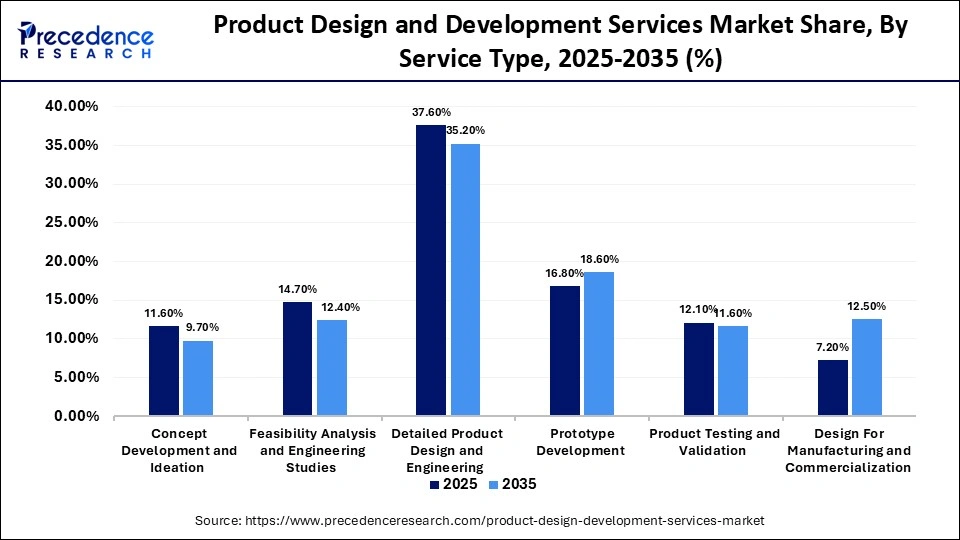
The demand for experienced product development teams reflects this shift. By 2030, the global product design and development services market is expected to reach US$3235 billion.
As more businesses invest in building SaaS platforms, enterprise applications and digital products that require strong engineering from day one.
Choosing a software product development company is no longer just about development capacity. Architecture decisions, engineering and delivery experience all play a major role in how successfully a product moves from idea to launch.
What We Considered Before Ranking Software Product Development Companies
To make this comparison useful for businesses, we reviewed each company before its service pages and then considered our evaluation.
- We reviewed hands on product engineering work in the different problem types.
- We evaluated using their product engineering experience in the business domains.
- We studied how each company presents with their software development approach using the real project execution details.
- We compared pricing structures ranging under $25/hour to costly budgets.
- We assessed how teams handle from product analysis to the development cycles & release flow.
- We checked external feedback from Clutch & verified client testimonials to understand delivery experience.
- We considered the project size from $10,000 to enterprise level engagements.
- We reviewed the technical depth in areas like the API design, system architecture, security practices & identity management.
- We also looked at team size, the delivery timelines & their global presence.
This methodology provides a balanced comparison based on the business fit & the product delivery experience.
Comparison of the Top 10 Software Product Development Companies
Below comparison shows how the software product development companies different in the pricing, engineering depth, delivery process and the real project execution approach. It helps in the practical decision making.
| Sr No. | Company Name | Hourly Rate | Minimum Project Size | Team Size | Clutch Rating | Founded | Best For | Identity Management | Stakeholder Involvement | API Development | Architecture Type | Location |
| 1. | eSparkBiz | < 25 / hr | $10,000+ | 400+ | 4.9 | 2010 | Startups SMBs Growing Businesses and SaaS Product Companies | OAuth, SSO, Role based access | Weekly planning, Product demos, Business reviews | REST, GraphQL, Custom APIs | Cloud native, Microservices | Delaware, USA & India |
| 2. | Classic Informatics | $25 – $49 / hr | $10,000+ | 50 – 249 | 4.9 | 2002 | Consumer Apps Digital Products and Brand Focused Businesses | SSO, OAuth, User authentication | Collaborative planning, Regular feedback | REST, GraphQL | Service oriented architecture | India |
| 3. | Patagonian | $50 – $99 / hr | $25,000+ | 50 – 249 | 4.9 | 2013 | Software Products Digital Platforms and Enterprise Applications | OAuth, SSO, Role based access | Product workshops, Progress reviews | REST, GraphQL, Custom APIs
|
Cloud native, Microservices
|
General Roca, Argentina |
| 4. | iomico | $50 – $99 / hr | $50,000+ | 10 – 49 | 4.8 | 2012 | IoT Products Embedded Systems and Connected Devices | OAuth, Device authentication | Technical reviews, Product collaboration | REST, MQTT, Custom APIs | IoT, Distributed architecture | Warszawa, Poland |
| 5. | Selleo | $25 – $49 / hr | $10,000+ | 50 – 249 | 4.8 | 2005 | SaaS Products Digital Platforms and Custom Software | OAuth, SSO, User authentication | Sprint planning, Stakeholder reviews | REST, GraphQL, API integrations | Modular, Service architecture | Bielsko Biała, Poland |
| 6. | Merixstudio | $50 – $99 / hr | $25,000+ | 50 – 249 | 4.8 | 1999 | SaaS Businesses Product Companies and Digital Platforms | OAuth, Enterprise SSO | Continuous stakeholder reviews | REST, GraphQL, API integrations | Modular, Service architecture | Poznań, Poland |
| 7. | Ancient | $25 – $49 / hr | $10,000+ | 50 – 249 | 4.9 | 2014 | Enterprise Applications Business Process Automation and Modernization Projects | OAuth, User authentication | Business workshops, Requirement reviews | REST, Enterprise APIs | Enterprise Service architecture | Ciudad de México, Mexico |
| 8. | Darly Solutions | $50 – $99 / hr | $10,000+ | 50 + | 5.0 | 2016 | Custom Platforms SaaS Products and Digital Business Solutions | OAuth, SSO, Role based access
|
Product discussions, Development reviews | REST, GraphQL, Custom APIs
|
Cloud based, Modular architecture
|
McKinney, TX |
| 9. | Activeone | $25 – $49 / hr | $10,000+ | 10 – 49 | 4.8 | 2014 | Startups SMBs Product Launches and Staff Augmentation | OAuth, SSO | Sprint planning, Product feedback | REST, API integrations | Cloud first architecture | Medellín , Colombia |
| 10. | SPD Technology | $50 – $99 / hr | $50,000+ | 250 – 999 | 4.8 | 2006 | Enterprise Software FinTech Healthcare and High Growth Technology Companies | OAuth SAML Enterprise identity | Executive workshops Sprint reviews | REST GraphQL Enterprise APIs | Microservices Event driven architecture | London , England |
We have used the verified information from trusted sources but according to your needs some of the details may change over time so cross checking before taking an action is recommended.
Top 10 Choices for Software Product Development Companies
Before choosing a software partner, businesses compare the pricing & engineering depth to make the correct decision. To make it easier for you we have curated this list which highlights the best software product development companies based on execution quality.
1. eSparkBiz
eSparkBiz is a CMMI Level 3 certified custom software development company with 15+ years of industry experience. Its software product development services cover product analysis, architecture planning, engineering, testing and production deployment for web, mobile & cloud applications.
Development Challenge & Approach: An incomplete product requirement can create an unnecessary rework during development.
eSparkBiz begins with business analysis, stakeholder discussions & roadmap planning before the engineering starts helping teams move into development with a clear technical direction.
What Stands Out: Structured product planning supported by the dedicated engineering teams.
How They Validate Product Ideas: Business workshops, prototype reviews, user feedback & roadmap discussions.
Why CTOs consider this as a software partner: Delivers the structured engineering execution with a clear product planning and system design practices helping CTOs manage product complexity & development flow effectively.
MVP Planning Approach: Product workshops with roadmap planning
Release Process: Sprint based releases
Development Workflow: Agile Scrum
Product Lifecycle Coverage
- Product analysis and planning
- Engineering, testing and production release
- Product maintenance and feature enhancements
Deployment Environment
- AWS
- Microsoft Azure
- Docker
Documentation Standards
- Product requirement documents
- API documentation
- Technical architecture documents
Compliance Experience:
- GDPR
- HIPAA
- SOC 2
Security Practices:
- Secure SDLC
- Code reviews
- Vulnerability testing
Industry Recognitions and Awards:
- Recognized in Clutch’s Leaders Matrix for the outstanding performance in custom software development.
- Secured the #1 position in Clutch’s Leaders Matrix in India’s leading software development companies.
- Clutch reports that 35% of eSparkBiz’s expertise is in custom software development.
- Consistently earns 5 star ratings in HubSpot & Gartner Peer Insights reflecting excellence in the custom software development.
- Named the #1 software development company to work with by ProjectManagers.net
Client Feedback:
eSparkBiz delivered exactly what we were looking for—a robust Guest Experience Platform built on time, within budget, and with exceptional attention to quality. Their skilled team, responsive communication, and proactive project management made even a complex development process straightforward. They proved to be a trusted partner from start to finish.
2. Classic Informatics
Classic Informatics is an India based technology partner delivering custom software, product engineering, and legacy modernization for startups, mid-market businesses and enterprises. With over two decades of delivery experience, the company helps clients build and modernize digital products across web, mobile and AI, with a strong focus on long term platform ownership.
Product Development Challenge: Product teams need clear priorities before an engineering begins. Classic Informatics uses product discovery, UX research and the prototyping to establish requirements and a refined product direction.
What Stands Out: Product analysis is integrated with design and engineering activities.
Product Validation Approach: User research, prototypes, product workshops and stakeholder feedback.
Why CTOs consider Classic Informatics: Its product development approach connects business requirements with design decisions & engineering execution.
MVP Planning Approach: Analysis sessions with a rapid validation
Release Process: Continuous releases
Development Workflow: Agile Product Delivery
Product Lifecycle Coverage
- Product planning & validation
- Engineering & quality testing
- Deployment & product improvements
Deployment Environment
- AWS
- Google Cloud
- Kubernetes
Documentation Standards
- Product roadmap
- API specifications
- Technical documentation
Compliance Experience:
- GDPR
- SOC 2
Security Practices:
- DevSecOps
- Security testing
- Access management
Client Feedback:
They're a great company and they employ only the best people.
3. Patagonian
Patagonian supports software product development for companies building digital platforms, SaaS applications and enterprise software. Its engineering teams contribute to product planning, development and technical delivery based on project requirements.
Technical Challenge & Execution: Product teams may need additional engineering expertise as technical requirements expand. Patagonian brings software engineers into development initiatives based on the technology stack and product scope.
What Stands Out: Software architecture, engineering collaboration, testing and continuous development practices.
How They Validate Product Ideas: By providing SaaS platforms, Enterprise applications, Custom software, Cloud based products
Why CTOs consider Patagonian: It provides engineering support for product teams that need additional technical resources during development.
MVP Planning Approach: Analysis workshops with a technical assessment
Release Process: CI/CD releases
Development Workflow: Agile Scrum, Kanban
Product Lifecycle Coverage
- Product analysis and engineering
- Quality assurance & release management
- Ongoing product enhancements
Deployment Environment
- AWS
- Azure
- CI CD pipelines
Documentation Standards
- Product specifications
- API reference guides
- Solution architecture documents
Compliance Experience:
- GDPR
- SOC 2
- ISO 27001
Security Practices:
- Secure coding
- Threat assessment
- Code scanning
Client Feedback:
We made the right decision by choosing Patagonian as our tech partner.
4. iomico
Connected products require the coordination between hardware, software & data systems. iomico develops IoT products by combining embedded development, cloud services and application engineering for the connected devices and industrial use cases.
Engineering Perspective: Connected products required in the data systems. iomico addresses these requirements through technical analysis, architecture planning and iterative engineering.
What Stands Out: IoT product development linking connected devices with software platforms.
How They Validate Product Ideas: Technical workshops, proof of concept development, architecture assessment and the client feedback.
Why CTOs consider this as a software partner: Supports product teams dealing with connected technologies, helping CTOs match device software, cloud infrastructure and an application requirements.
MVP Planning Approach: Product research with the prototype validation
Release Process: Incremental releases
Development Workflow: Agile Scrum
Product Lifecycle Coverage
- Product strategy and design
- Engineering & testing
- Production launch & updates
Deployment Environment
- AWS
- Microsoft Azure
- Docker
Documentation Standards
- Product briefs
- API documentation
- Technical design documents
Compliance Experience:
- GDPR
- ISO 27001
Security Practices:
- Secure engineering
- Penetration testing
Client Feedback:
What impressed me most about iomico was their combination of technical depth and practical judgment.
5. Selleo
Selleo helps businesses develop SaaS products, web applications and digital platforms through product design and software engineering. Its teams contribute to product analysis, application development & technical delivery for the digital businesses.
Product Development Context: Product teams need user feedback & technical clarity before committing resources to development. Selleo uses analysis activities and an iterative product design to test the assumptions early.
What Stands Out: Collaborative product development with a strong involvement from the business stakeholders.
How They Validate Product Ideas: Product workshops, prototypes, user feedback and iterative reviews.
Why CTOs consider this as a software partner: Connects product thinking with software engineering, helping the CTOs evaluate ideas, define requirements and to guide development decisions.
MVP Planning Approach: Analysis workshops with a MVP prioritization
Release Process: Frequent production releases
Development Workflow: Agile Scrum
Product Lifecycle Coverage
- Product analysis & planning
- Development and quality testing
- Deployment & product updates
Deployment Environment
- AWS
- Google Cloud
- Kubernetes
Documentation Standards
- Product requirement documents
- API documentation
- Engineering documentation
Compliance Experience:
- GDPR
- SOC 2
Security Practices:
- Secure SDLC
- Infrastructure security
Client Feedback:
The team at Selleo cares about delivering good software, and it shows in all aspects of their work.
📊 Did You Know?
Detailed product design & engineering hold the largest market share at 37.60% ahead of the concept development, prototype development, testing & the manufacturing support services.
6. Merixstudio
Merixstudio develops software products for the startups and established businesses with the product consulting, engineering & quality assurance. Its teams build SaaS platforms, web applications and custom business software in multiple industries.
Development Need & Approach: Configuration management becomes difficult when product modules & environments change frequently.
Merixstudio establishes shared configuration standards & version control practices before the development to maintain consistency in the various releases.
What Stands Out: Product planning matches with structured engineering execution.
How They Validate Product Ideas: User interviews, prototype reviews, stakeholder workshops & the roadmap validation.
Why CTOs consider this as a software partner: Uses structured engineering workflows with strong frontend & backend coordination helping CTOs maintain consistent product delivery quality.
MVP Planning Approach: Product strategy workshops with the user validation
Release Process: Continuous delivery
Development Workflow: Agile Scrum
Product Lifecycle Coverage
- Product planning and engineering
- Testing and production deployment
- Feature enhancements & maintenance
Deployment Environment
- AWS
- Docker
- Kubernetes
Documentation Standards
- Product requirement documents
- API documentation
- Technical design documents
Compliance Experience:
- GDPR
- ISO 27001
Security Practices:
- Security reviews
- Secure development
Client Feedback:
Trust what they are doing because they are the experts.
7. Ancient
Ancient provides software product engineering services for the businesses building enterprise platforms & digital products. The company supports product planning, development, testing and production delivery in the business sectors.
Engineering Approach: Module dependency can slow an engineering progress when product components are tightly connected.
Ancient maps module relationships before implementation, allowing the development teams to coordinate product delivery more effectively.
What Stands Out: Structured engineering process for the enterprise software products.
How They Validate Product Ideas: Business workshops, product reviews, requirement validation & the technical assessment.
Why CTOs consider this as a software partner: Works on enterprise level system execution with the structured planning cycles helping CTOs manage complex business requirements within the teams.
MVP Planning Approach: Analysis planning with a business analysis
Release Process: Planned feature releases
Development Workflow: Agile Kanban
Product Lifecycle Coverage
- Product analysis and planning
- Engineering & testing
- Deployment and ongoing improvements
Deployment Environment
- Microsoft Azure
- AWS
- CI CD pipelines
Documentation Standards
- Business requirement documents
- API specifications
- Solution architecture documents
Compliance Experience:
- GDPR
- HIPAA
Security Practices:
- Secure coding
- Risk assessment
Client Feedback:
Ancient Tech team always delivered items on time and fulfilled deadlines.
8. Darly Solutions
Darly Solutions develops custom software products, SaaS platforms, and web applications for businesses with specific product requirements. Its services cover product planning, UI/UX design and the software engineering for the digital products.
Implementation Perspective: Product requirements can shift as customer needs become clearer. Darly Solutions uses analysis discussions, technical planning and an iterative development to refine the product direction before a major release.
What Stands Out: Custom product development shaped around business & user requirements.
How They Validate Product Ideas: Discovery workshops, prototypes, technical assessments and the stakeholder reviews.
Why CTOs consider this as a software partner: Combines product planning with engineering support, giving CTOs a structured path from the early product concepts to working software.
MVP Planning Approach: Business analysis with the roadmap definition
Release Process: Scheduled production releases
Development Workflow: Agile Scrum
Product Lifecycle Coverage
- Product planning and development
- Quality assurance and deployment
- Maintenance and feature updates
Deployment Environment
- Microsoft Azure
- Docker
- GitHub Actions
Documentation Standards
- Functional specifications
- API documentation
- Technical implementation guides
Compliance Experience:
- HIPAA
- SOC 2
Security Practices:
- Access controls
- Security monitoring
Client Feedback:
Their commitment and support went well beyond delivery, which we really appreciated.
9. Activeone
Activeone delivers software product development services to startups and the businesses growing. The company builds web platforms, mobile applications & SaaS products using structured engineering and the release management.
Execution Strategy: Product scope drift can affect delivery schedules as new requirements continue to emerge. Activeone defines the feature priorities early and reviews changes in structured sprint planning before an implementation.
What Stands Out: Clear feature planning during the development cycles.
How They Validate Product Ideas: Roadmap reviews, prototype feedback, sprint planning & the stakeholder discussions.
Why CTOs consider this as a software partner: Delivers fast engineering cycles with the continuous release practices helping CTOs support ongoing product updates and iterations.
MVP Planning Approach: Product planning with the feature prioritization
Release Process: Sprint based deployments
Development Workflow: Agile Scrum
Product Lifecycle Coverage
- Product planning & engineering
- Testing & production releases
- Product enhancements
Deployment Environment
- AWS
- Kubernetes
- GitHub Actions
Documentation Standards
- Product roadmap
- API reference
- Technical documentation
Compliance Experience:
- GDPR
- SOC 2
Security Practices:
- Secure SDLC
- Code validation
Client Feedback:
Their communication at each step of the process has been very good.
10. SPD Technology
SPD Technology delivers software product engineering services for startups & the enterprise organizations. Its teams build SaaS products, enterprise platforms and the digital business applications from product analysis using the production deployment.
Engineering Need & Approach: Platform foundation influences every stage of product engineering and the future feature development.
SPD Technology defines infrastructure, architecture & the technical standards before an implementation to establish a consistent engineering framework.
What Stands Out: Enterprise product engineering supported by the structured technical planning.
How They Validate Product Ideas: Technical workshops, architecture reviews, stakeholder feedback & MVP assessment.
Why CTOs consider this as a software partner: Focuses on enterprise engineering execution with a structured system design & the delivery processes helping CTOs handle complex product environments.
MVP Planning Approach: Product analysis with the technical roadmap
Release Process: Continuous deployment
Development Workflow: Agile Scrum
Product Lifecycle Coverage
- Product analysis and planning
- Engineering, testing and deployment
- Product optimization and maintenance
Deployment Environment
- AWS
- Microsoft Azure
- Kubernetes
Documentation Standards
- Product requirement documents
- API documentation
- Architecture documentation
Compliance Experience:
- GDPR
- ISO 27001
- HIPAA
Security Practices:
- DevSecOps
- Secure architecture
- Threat monitoring
Client Feedback:
They have great communication skills and show respect and understanding when dealing with a startup like ours.
How to Evaluate Software Product Development Partners Before Hiring
Choosing the right software product development partner requires more than comparing companies, reviewing how each company can create a plan, builds & deliver the software products before making a decision.
| Assessment Area | Review Checklist | Impact on Product Delivery |
| Product Engineering Experience | Similar software products, industries & the business domains | Shows whether the team understands comparable product requirements. |
| Product Development Process | Product analysis, planning, engineering, testing and the release workflow | Helps assess how a product moves from idea to production. |
| Client Reviews | Clutch ratings, Google reviews and the verified testimonials | Provides insights in the delivery quality and the client experience. |
| Technical Capabilities | API development, architecture, identity management and the security practices | Confirms technical expertise required for the product development. |
| Team Expertise | Team size, years of experience and an engineering skills | Indicates the company’s ability to handle the project scopes. |
| Pricing & Project Size | Hourly rates & minimum engagement value | Helps match the company with your budget and the project expectations. |
| Delivery Process | Sprint planning, release management & the quality assurance | Reflects how engineering work is organized and then delivered. |
| Post Launch Support | Maintenance, bug fixes & feature updates | Helps keep the product updated after the production deployment. |
💬 From the Expert:
“I’m able to do like the work of a whole team with these tools” Upcoming AI models could dramatically boost an individual productivity especially in the software development. It also suggests a single developer may soon be able to handle the work that currently requires an entire team.
Sam Altman – CEO of OpenAI
Software Product Development Process Followed by Leading Companies
Best software product development companies follow a structured process to reduce the unnecessary revisions. Each phase supports better planning, development & the production delivery.
Phase-1: Requirement Analysis & Product Planning:
Every successful software product starts with a clear plan. Teams define business goals, user requirements and the technical expectations before engineering begins.
- Business requirement analysis
- User story mapping
- MVP planning
- Product roadmap
- Technical feasibility
- Feature prioritization
Phase-2: Development, Integration & Release Management
Engineering teams build product modules, connect third party services and prepare the software for production using structured development practices.
- Sprint based development
- Version control
- CI/CD pipelines
- Production deployment
- Release orchestration
Phase-3: Post Launch Product Engineering
Software products continue evolving an after release using ongoing engineering activities that can improve functionality & support the new business needs.
- Bug resolution
- Feature enhancements
- Technical consulting
- Performance optimization
- Security updates
- Product version upgrades
Technology Expertise of Software Product Development Companies
Technology decisions affect every product release. The right technology stack affects how software products are built and influences product quality, making it an important factor before selecting the development partner.
Frontend and User Experience Technologies
Choose these for interactive user experiences. Frontend technologies shape user interactions, interface performance and the consistency in web & mobile software products.
| Technology Area | Common Technologies | Primary Use Case |
| Component Based UI | React, Angular, Vue.js | Interactive web applications |
| Cross Platform Development | Flutter, React Native | Android and iOS applications |
| State Management | Redux, Context API, NgRx | Complex application workflows |
| UI Performance | Lazy Loading, Code Splitting, SSR | Faster page rendering |
| Design Systems | Material UI, Tailwind CSS, Bootstrap | Consistent user interface development |
| Accessibility | WCAG Standards, ARIA | Inclusive product experience |
📌 Real World Example:
A food delivery app uses React for its customer dashboard & Flutter for Android & iOS apps providing a consistent experience in devices.
Backend, API and Database Engineering
Backend technologies manage the business logic, data processing and the system communication behind every software product. These technologies become an important when the products require such a secure integrations
| Engineering Area | Common Technologies | Primary Use Case |
| Backend Development | Node.js, Java, .NET, Python, PHP | Business logic implementation |
| API Development | REST APIs, GraphQL, gRPC | System & application integrations |
| Authentication | OAuth 2.0, JWT, OpenID Connect | User identity management |
| Database Engineering | PostgreSQL, MySQL, MongoDB, SQL Server | Structured & unstructured data |
| Event Processing | Kafka, RabbitMQ | Asynchronous communication |
| Caching | Redis, Memcached | Faster application response |
📌 Real World Example:
An online banking platform uses Java for the transaction processing, REST APIs for the payment integrations & PostgreSQL to securely manage customer accounts.
Cloud, DevOps and Deployment Skills
Cloud & DevOps practices streamline the software deployment, environment management and the production release workflows. Useful for the faster production releases.
| Infrastructure Area | Common Technologies | Primary Use Case |
| Cloud Platforms | AWS, Microsoft Azure, Google Cloud | Application hosting |
| Container Platform | Docker | Environment consistency |
| Container Orchestration | Kubernetes | Container management |
| CI/CD | GitHub Actions, GitLab CI, Azure DevOps, Jenkins | Build and the release automation |
| Infrastructure Automation | Terraform, Ansible | Environment provisioning |
| Monitoring | Prometheus, Grafana, ELK Stack | Application monitoring and the observability |
📌 Real World Example:
A SaaS CRM platform hosts applications on AWS, deploys updates using the GitHub Actions, manages containers with Kubernetes & monitors health systems using Grafana.
How Software Product Development Companies Approach Product Strategy Before Development
Writing code is only one part of software product development. Leading companies spend time to validate the product direction, technical decisions and the implementation priorities before an engineering begins.
Before development starts, experienced software product development companies typically validate:
- Business objectives and the product vision
- User requirements & feature priorities
- MVP scope with an implementation effort
- Technical feasibility and the release planning
- System architecture & technology selection
- API and an integration requirements
- Product roadmap & delivery milestones
This helps reduce unnecessary revisions & to create a clearer development path.
🔍 Want to understand MVP? Understand it with this quick video
Development Methodologies Used by Software Product Development Companies
Software product development companies use the structured delivery methodologies to manage engineering work, improve coordination and make sure the predictable product releases. These methods define how teams plan, build and then deliver software products in the different stages.
Methodology Comparison Table
| Methodology | Implementation in Development Lifecycle |
| Agile | Iterative development with the continuous feedback and an incremental delivery |
| Scrum | Sprint based execution with defined roles, sprint planning and the reviews |
| Kanban | Continuous workflow management using visual task tracking & WIP limits |
| CI/CD | Automated build, test and the deployment pipeline for frequent releases |
This comparison helps identify how different software product development companies can manage engineering workflows & the delivery efficiency.
Security Standards to Review Before Selecting a Software Product Partner
Security is a core part of software product development especially for SaaS, enterprise platforms & the cloud based systems. Companies follow the structured security practices to protect applications, data & user access over the product lifecycle.
Key Security Standards and Practices
- OWASP: Application security guidelines to prevent the common vulnerabilities
- GDPR: Data privacy compliance for handling the user information
- SOC 2: Security controls for a data protection & operational trust
- Encryption: Data protection in the transit and at rest using secure protocols
- IAM (Identity and Access Management): Secure user authentication & authorization control
- RBAC (Role Based Access Control): Permission management based on the user roles
- Secure SDLC: Security integrated within the development lifecycle stages
- Audit Logging: Tracking system activity for the security monitoring & compliance
Final Verdict: Best Software Product Development Companies Based on Product Needs
Compare leading SaaS development companies based on project requirements, budget and technical complexity to find the right development partner.
| Software Product Requirement | Recommended Companies | Why They Fit |
| MVP Development & Product Launch | eSparkBiz, Classic Informatics, Activeone | Support product planning, MVP development and the release execution |
| Product Engineering & Continuous Development | SPD Technology, Patagonian, Darly Solutions | Provide engineering support for product updates and the feature releases |
| SaaS Platform Development | eSparkBiz, Merixstudio, Ancient | Build SaaS platforms with cloud, API and a database engineering |
| Product Modernization & Architecture Upgrade | iomico, Merixstudio, SPD Technology | Improve existing systems with updated architecture and the technology stacks |
| AI Based Software Product Development | Selleo, eSparkBiz, Ancient | Develop software products with AI features and an automation workflows |
Frequently Asked Questions
Why is MVP important in software product development?
MVP helps test product assumptions early by launching core features first & then collecting real user feedback before expanding the development efforts. It also reduces development risk by validating the ideas.
How do software product development companies calculate project cost?
Project cost depends on the required features, technical complexity, technology stack, team size & an expected delivery schedule for the product. It also varies based on the different business requirements.
What businesses should verify before deploying the software to production?
eSparkBiz reviews deployment readiness before every release to reduce the production issues and to support the predictable software delivery.
| Evaluation Area | What to Verify |
| CI/CD Pipeline | Automated build & deployment validation |
| Environment Parity | Development, staging & production consistency |
| Regression Testing | Critical in the functionality verification |
| Rollback Strategy | Recovery plan for a failed deployments |
| Monitoring Setup | Logs, metrics & an application alerts |
Verifying these technical areas before the deployment helps to improve the release stability & reduces the production risks.
How long does software product development usually take?
Development timelines typically range between 3 to 12 months depending on the product scope, integrations, architecture decisions & the release cycles.
What is the purpose of product analysis before development?
Product analysis makes sure clarity in the requirements, reduces technical risks, validates feasibility and matches business goals with an engineering execution strategy.
Can businesses prevent delays in software product development?
Yes. eSparkBiz helps businesses reduce delays caused by
- An unclear project requirements
- Frequent scope changes
- Limited technical expertise
- Delayed in the stakeholder feedback
- Inferior release planning
Addressing these challenges early helps improve the delivery predictability & project efficiency.
Which engagement model is suitable for software product development projects?
Selecting the right engagement model helps businesses balance project flexibility, cost efficiency & timely software delivery.
- Fixed Price: Projects with the clearly defined scope and stable requirements.
- Dedicated Team: Lasting product development with the evolving business needs.
- Time and Material: Ideal when project scope may change during the development.
- Hybrid Model: For maintaining better budget & the resource control.
When should software architecture be reviewed?
Software architecture should be reviewed before adding the major features, integrating new systems, the migrating infrastructure or resolving recurring performance and the maintenance issues.
Why do businesses choose eSparkBiz for SaaS product development?
eSparkBiz provides full lifecycle SaaS development from idea to production with strong API design, cloud architecture and sprint based delivery execution. It also makes sure in the early requirement validation & structured engineering practices that help reduce rework during a development.
Which software product development company suits the different business goals?
The right development partner depends on the business objectives, technical requirements, project complexity & the lasting product strategy.
| Business Goal | Recommended Company |
| SaaS product development with the structured engineering | eSparkBiz |
| Distributed an engineering teams | Activeone |
| Product design & digital transformation | iomico |
| Enterprise software engineering | SPD Technology |