






- 300+ Global Clients
- 4.9/5.0 Verified Clutch Rating
- 400+ Engineers & Specialists
- 95% Client Retention

About eSparkBiz
Why еSparkBiz for Software Development Services?

Secure, Scalable, and High-performance Software for your Business Goals
Many software projects fail because businesses prioritize speed over strategy, resulting in rigid architectures, technical debt, and costly redevelopment. With the Software Development Market expected to reach USD 1.11 trillion by 2031, choosing the right development partner has become a critical business decision.
At eSparkBiz, we help businesses avoid these challenges by combining technical expertise with strategic business understanding. Our engineering teams develop secure, scalable software that integrates seamlessly with existing systems, supports future growth, and delivers measurable business value.
What sets eSparkBiz apart in Software Development?
- Business-first software aligned with your strategic objectives
- Up to 40% faster delivery through Agile development practices
- End-to-end software development from strategy to long-term support
Our Featured Work

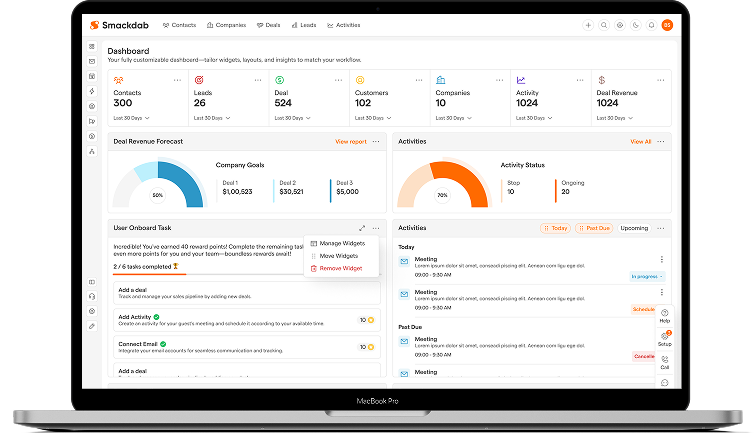
- Engagement Model Product Engineering Partnership
- Engagement length 48+ Months
- Market Stage Live & Scaling
- Team Member 20+ Team Members
- Services Provided End-to-End Product Engineering

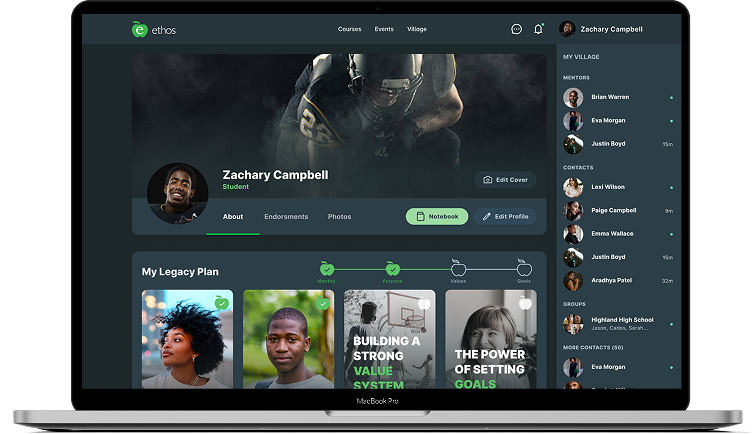
- Engagement Model Dedicated Product Team
- Engagement Length 24+ Months
- Market Stage Live & Scaling
- Team Members 5+ Team Members
- Services Provided End-to-End Product Engineering

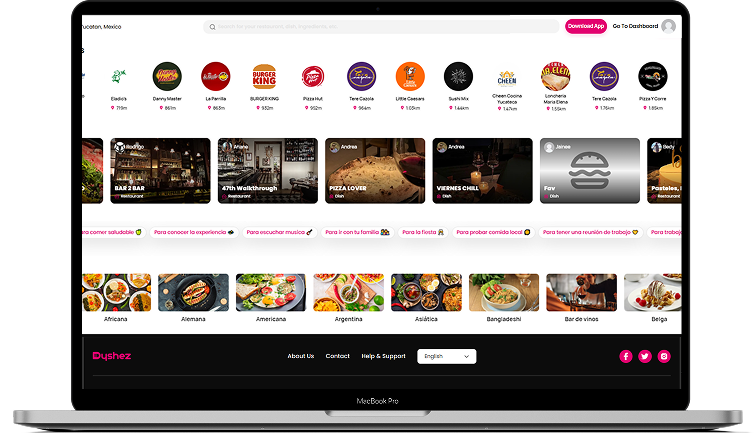
- Engagement Model Dedicated Product Team
- Engagement Length Long-Term Engagement
- Market Stage Live & Scaling
- Team Member 6+ Team Members
- Services Provided End-to-End Product Engineering

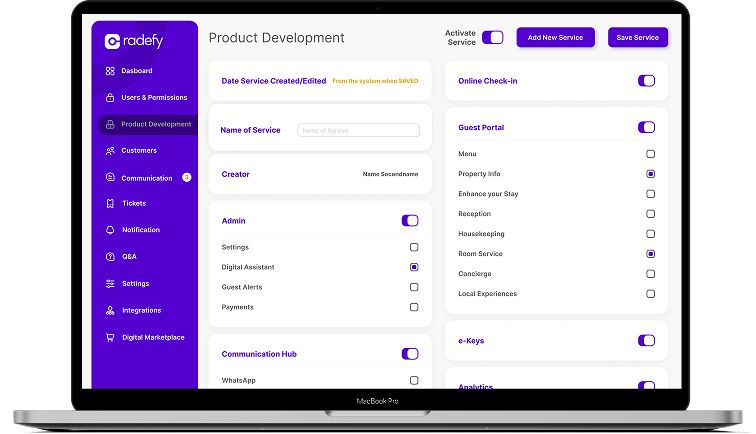
- Engagement Model Enterprise Engineering Partnership
- Engagement Length 24+ Months
- Market Stage Growth & Scaling Phase
- Team Member 4+ Team Members
- Services Provided PMS Integration & Hospitality API Integration Services

- Engagement Model Product Engineering Partnership
- Engagement Length 12+ Months
- Market Stage Live & Scaling
- Team Member 6+ Team Members
- Services Provided End-to-End Product Engineering
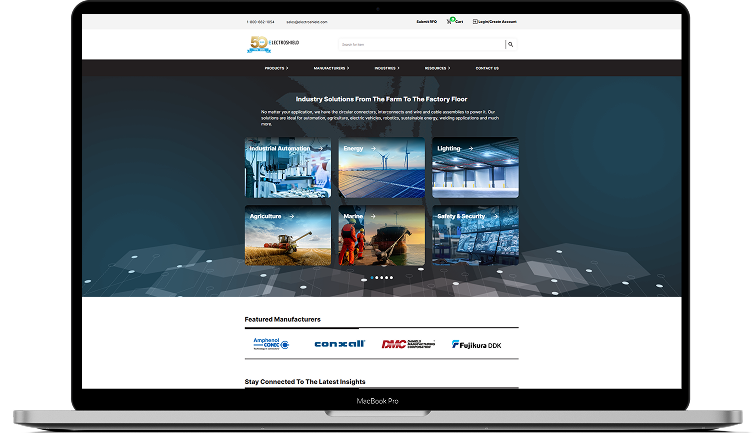
Proven work. Measurable outcomes.
See how we deliver on complex, high-impact Initiatives.Testimonials
Our Clients Say About Us
We focus on making clients happy and always appreciate their opinions. We aim to provide superior services to earn trust and to become a go-to choice in the Software industry.





End-to-end Software Services
What you can achieve with eSparkBiz Software Development Services
- Custom Software Development Solution
- Software Consulting Services
- Enterprise Software Services
- Software Product Development Services
- Software Integration Services
- Software Outsourcing Services
- QA and Testing Services
- AI and Data Science Services
- Custom CRM Development Services
- API Development Services
- Cloud Application Development
- Legacy Software Modernization
- Support & Maintenance Services

Custom Software Development Solution
With our customized approach, we can address your specific business problem. Using modular solutions, we create expandable applications that grow with your firm needs.
Custom Strategies We Implement:
- Custom Software Development
- Advanced Strategies for Software Development
- AI Development
- Custom CRM Development

Software Consulting Services
We help organizations navigate complex technological decisions. We offer useful strategic insights to maximize ROI, achieve results, and maintain success.
Strategic Expertise We Deliver:
- Consulting in Technology Strategy
- System Architecture Design
- Process Automation Consulting
- Services are driven through business digitalization

Enterprise Software Services
We have created powerful enterprise solutions together, which streamline operations. All of our innovations ensure frictionless implementation across your business ecosystem.
Scalable Solutions We Build:
- Enterprise ERP Development
- Customized Enterprise Applications
- Workflow Management Software
- Enterprise data management solutions

Software Product Development Services
We transform your ideas into marketable products and deal with each software development phase with precision and expertise.
Product Innovations We Create:
- Product development and design
- MVP Development Services
- Complete Product Life Cycle Management
- SaaS Product Development
Your enterprise systems are connected for increased efficiency. We deliver data flows effortlessly across your whole technology stack.
Custom Integrations We Deliver:
- Third-Party API implementation
- System Migration Services
- Cloud Integration Services
- Custom Middleware Development

Software Outsourcing Services
We offer flexible development teams that are exactly following your requirements and can help optimize your resource allocation and deliver quality solutions.
Reliable Outsourcing We Provide:
- Dedicated Development Teams
- Project-Based Outsourcing
- Full-Time Staff Augmentation
- Offshore Software Development

QA and Testing Services
The application is tested rigorously to provide impeccable software quality. We take quality assurance very seriously.
Robust Testing We Conduct:
- Manual Testing Services
- Automated Testing Solutions
- Performance Testing
- Mobile App Testing Services

AI and Data Science Services
We use our next-gen tech to assist you in making intelligent decisions, bring order to chaos, and turn raw data into valuable business insights.
Intelligent Services We Offer:
- Artificial Intelligence Development
- Machine Learning Solutions
- Data Science Services
- Predictive Analytics

Custom CRM Development Services
Our tailored CRM solutions help make customers happy. We simplify your sales and support processes.
Customer-Centric Solutions We Deliver:
- Custom CRM Solutions
- CRM implementation Services
- Sales Automation CRM
- Customer Support Management Systems (CSMS)

API Development Services
Our APIs are constructed robustly so that they can connect to your digital ecosystem. It is efficient and secure system communications.
Seamless Connectivity We Enable:
- Custom API Development
- API Integration Services
- RESTful API Development
- API Testing Services

Cloud Application Development
For scalable future-ready applications, we leverage cloud technologies. In the cloud environment, we optimize performance and security.
Scalable Cloud Solutions We Deliver:
- Cloud App Development
- Serverless App Development
- Cloud Migration Services
- Cloud Security Solutions

Legacy Software Modernization
We revamp old systems to be relevant to today’s business requirements by keeping your data and improving functionalities with time.
Modernization Solutions We Offer:
- Code Refactoring
- Platform Migration
- Legacy System Unification
- Application Modernization

Support & Maintenance Services
Our software always gets round-the-clock technical support. We make sure that we are always performing optimally, continuously, and securely.
Reliable Support We Offer:
- 24/7 Technical Support
- Software Updates and Patches
- Offer service for performance monitoring.
- Issue Resolution and Bug fixing
Get a free technical consultation with a senior architect
30 minutes • No commitment • Response within 24 hoursWhy Partner
Why Partner with eSparkBiz?
We help businesses transform by providing them with the best software solutions by leveraging our technical competence with industry understanding to provide solutions that are beyond your imagination.
-
CMMI Level 3 & ISO 9001 Certified for Top-tier Software Development Quality
-
Delivered Over 1,000 Software Solutions for Diverse Business Domain Needs
-
Customer-Focused Development Approach aligned with Business Goals
-
Mastery in AI, Cloud, and Blockchain for future-ready Software Development
-
Global Software Delivery serving businesses in 20+ Countries Worldwide
-
Secure Coding Standards ensuring Data Protection and Regulatory Compliance
-
Recognized by Trusted Software Industry Evaluators
- Leading Global Software Development Company by IPLocation
- Named as Top Software Development Outsourcing Company by CXOToday
- Featured in IEEE list of Top Nearshore Software Development Firm
- Ranked among India’s Healthcare IT Excellence Leaders by Clutch
 15+ Years of Expertise
  100% NDA-protected Contract
  95% Client Retention Rate
  Access to 45+ Technologies



Advance Solutions

Artificial intelligence (AI)
AI is used to reinvent business processes. We automate intelligently to drive efficiency and build predictive analytics systems that turn raw data into strategic insights. Our AI solutions help customers have personalized interactions.

Internet of Things (IoT)
We engineer IoT solutions that connect your enterprise ecosystem, providing you with real-time monitoring for better operational visibility. Our experts work with smart sensors that optimize the utilization of resources.

Cloud
We build robust cloud solutions that grow with your business. Adhering to the advanced protection protocols, helps us to be safe with data. Then we optimize resource allocation to maximize efficiency & productivity.

Data Analytics
We convert data into insights through our analytics solutions and power businesses with actionable insights from chaotic data sources. Our professionals create special reports that provide timely information to make proper decisions.

RPA
We boost productivity by using RPA technologies that are designed to meet the needs of your industry and can help automate routine processes. This technology helps to increase the efficiency of the processes between departments.

Big Data
We develop solutions for handling large datasets and performing complex analyses on them for pattern detection. Our Software Development team analyzes the data using our algorithms and delivers the results via decision support systems.

Machine Learning (ML)
We build artificial intelligence-based applications that adapt to your business and generate models to enhance your predictions. Our extended efficiencies include the use of automated classification tools for greater user convenience.

Blockchain
We adhere to secure blockchain applications for the smooth functioning of business processes and develop decentralized ledgers & smart contracts for increased credibility and automated compliance.

Data Science
We take data and turn it into valuable information and develop analytical models to support decision-making. With unique methods and tools of analysis, we address the business needs and offer detailed market insights.

Computer Vision
We implement visual recognition technologies and establish automatic inspection systems. Our areas of specialization include security and surveillance systems with additional capabilities of real-time image processing.
Industries We Serve
Proven Expertise across Diverse Industries
We deliver tailored technology solutions across various business domains, addressing unique operational challenges while driving measurable business growth consistently.
Healthcare
Finance
EdTech
Real Estate
Logistics
Food & Beverages
AgriTech
Sports
Process
Our Development Process
Align technology with your business goals.
Every engagement starts with understanding your business objectives, users, technical challenges, and product vision. Together, we define a roadmap that minimizes uncertainty and creates a clear path to successful delivery.- Business discovery workshops
- Product vision alignment
- Requirement analysis
- Technical feasibility assessment
- Architecture planning
- Delivery roadmap
Create intuitive experiences and scalable architecture.
Our designers and solution architects collaborate to create user-centric experiences and a technical foundation that supports long-term growth, security, and maintainability.- User experience research
- Wireframes and prototypes
- UI design
- Solution architecture
- Database design
- API planning
Deliver software through agile engineering.
Dedicated cross-functional teams develop your product in short, iterative sprints, enabling continuous feedback, rapid releases, and complete project transparency throughout the development lifecycle.- Frontend development
- Backend development
- Mobile development
- API integrations
- Cloud engineering
- AI and automation integration
Build quality into every release.
Quality engineering is integrated throughout development—not left until the end. Automated testing, peer reviews, and security validation ensure reliable, production-ready software at every milestone.- Automated testing
- Functional testing
- Performance testing
- Security testing
- Code reviews
- User acceptance support
Release with confidence.
We automate deployment pipelines and implement modern DevOps practices to deliver secure, reliable, and seamless releases while minimizing operational risk and downtime.- CI/CD pipelines
- Cloud deployment
- Infrastructure automation
- Production release
- Performance monitoring
- Release management
Continuously improve and evolve your product.
Launching software is only the beginning. We continue to optimize performance, introduce new capabilities, strengthen security, and scale your engineering capacity as your business grows.- Product enhancements
- Performance optimization
- Cloud optimization
- Security updates
- Ongoing maintenance
- Engineering team scaling
Your project starts at Discover. Let's begin there.
Free discovery session with a senior architect, walk away with a roadmap, whether you hire us or not.Technologies
Technologies We Utilize for Driving the Digital Revolution
-
Frontend
9
-
Backend
6
-
Desktop
5
-
Database
19
Desktop
- C++
- C#
- Qt
- Objective-C
Database
- Async Storage
- Azure SQL Database
- Cassandra
- Core data
- Firebase
- Firestore
- Apache Hive
- MongoDB
- MySQL
- ObjectBox
- Oracle
- PostgreSQL
- Realm
- Redis
- Room Persistence Library
- Sembast
- SQLite
- WatermelonDB
Quick Comparison
Software Development Partners Compared for Enterprise Technology Needs
Choosing the ideal software partner depends on your operational needs. While each firm offers distinct organizational strengths, eSparkBiz delivers unparalleled engineering scale, rapid deployment, and deep technical specialization optimized for high-growth digital transformation.
| Capability / Metric | eSparkBiz Best Fit | Kingsmen Digital Ventures | Utility |
|---|---|---|---|
| Best For | Dedicated Software Development Team & Rapid Team Augmentation |
Software Engineering & Custom SaaS Product |
End-to-End Enterprise Engineering & Managed Premium Software Development |
| Clutch Verification | 4.9 / 5.0 (68 Reviews) |
5.0 / 5.0 (12 Reviews) |
4.8 / 5.0 (26 Reviews) |
| Team Size | 400+ Pre-vetted Software Developers |
50 Tech Specialists |
100+ Vetted staff |
| Projects Delivered | 1000+ |
100+ |
150+ |
| Timezone Availability | 11 Timezones (CST, EST, IST, PST, +7 More) |
2 Timezones (PST, EST) |
2 Timezones (CST, EST) |
| Dedicated Software Focus | 35% Core Footprint, Heavily indexed in high-scale custom architectures and and core software engineering engines |
Half of their entire firm infrastructure is into tailored software systems |
10% of core services, Selectively applies custom software development to complex engineering |
| Average Hourly Rate | $12 – $25 / hr |
$150 – $199 / hr |
$100 – $149 / hr |
| Min. Project Size | $5,000+ |
$10,000+ |
$50,000+ |
| Team Ramp up | 48 – 72 hours |
2 – 3 Weeks |
2 – 3 Weeks (Rapid agency onboarding) |
| Next-Gen Tech Mastery | GenAI, MLOps, AWS/Azure, Fintech SEC |
Cloud-Native Solutions, B2B Infrastructure, Medical Tech |
iOS/Android (React Native), AI Strategy, Backend Systems |
| Certified Core Expertise (Clutch Verified) | "Hire with Confidence" Verified Badge for: • Custom Software Development |
"Hire with Confidence" Verified: • Custom Software Development |
Top Agency Verification for: • Mobile App Development |
| Technical Debt & QA | Strict Automated Linting, SonarQube gates, & Peer Code Reviews mandated |
Proactive, review-heavy agile sprints utilizing modern tech tool stacks |
Deep architecture audits and highly scalable system validation |
| IP Ownership & Code Security | 100% Client Ownership from Day 1, secure GitHub/GitLab repository handoff & NDAs |
Full IP transfer immediately following sprint and milestone validations |
Absolute IP handoff bound securely to client contract fulfillment terms |
| DevOps & CI/CD | Native pipeline setup (Jenkins, GitHub Actions, AWS CodePipeline) included by default |
Tailored cloud integration pipelines specific to application scale |
Integrated serverless and mobile CI/CD pipelines (Bitrise, AWS automation) |
| Post-Launch Maintenance | Dedicated SLA options for continuous performance tuning and library upgrades |
Retainer-based feature extensions and iterative software updates |
Long-term growth cycles backed by performance tracking and data analytics |
| Agile Lifecycle | Micro-sprints via Jira/Asana with 100% transparent daily standups & burndown tracking |
Dynamic, collaborative workflows managed closely through Asana, Trello, and Slack |
High-touch, fast-paced product engineering squads with rapid release schedules |
See why eSparkBiz is rated the best fit above
Full Repository Handoff • NDAs • No Lock-inCosts
Cost of Software Development Services at eSparkBiz
- Basic Web Applications
- Rapid MVP Solutions
- Business Platforms
- SaaS Applications
- Enterprise Solutions
- AI-Powered Systems
Basic Web Applications - $10,000 to $20,000
- User-Friendly Interface
- Responsive Design
- Fast Loading Speed
- Essential Security Measures
- Scalability Options
- Cost-Effective Development
Rapid MVP Solutions - $25,000+
- Fast-Track Prototyping
- Intuitive User Interface
- Core Feature Implementation
- Optimized Development Costs
- Third-Party Integrations
- Scalable Architecture
Advanced Business Platforms - $50,000+
- Enterprise-Grade Security
- AI-Powered Automation
- Customizable Workflows
- Real-Time Data Analytics
- Cloud-Based Scalability
- Easy Third-Party Integrations
SaaS Applications - $40,000 to $60,000
- Cloud-Based Accessibility
- Effective SaaS Architecture
- Automatic Updates & Support
- Scalable Deployment
- API & Third-Party Integrations
- Robust Security & Compliance
Enterprise Solutions - $60,000 to $70,000
- Scalable Architecture
- Advanced Compliance
- AI-Driven Process Automation
- Enterprise App Integration
- Real-Time Data Management
- Flexible Deployment Solutions
AI-Powered Systems - $85,000 to $1,00,000
- Machine Learning Capabilities
- Intelligent Automation
- Real-Time Data Processing
- Natural Language Processing
- Predictive Analytics
- Adaptive Learning Algorithms
Not sure which tier fits? Get a precise quote.
Tell us your requirements, we’ll send an exact estimate and timeline, not a range.Methodologies

Agile Development
We encourage flexibility through the use of the iterative development life cycle and encourage ongoing interaction to guarantee that we deliver value as soon as possible.
- Flexibility as a response to the changing needs
- Release regularly to faster market penetration
- Real-time adjustment according to the input given by the client

Scrum Framework
We divide development into specific iterations or sprints to provide functional components with assured visibility and timely project delivery and updates.
- Sprint planning and execution on a strategic level
- Schedule daily team meetings for updates
- Sprint retrospectives for process improvement

Waterfall Model
We follow a systematic approach to development on a phase-by-phase basis and also guarantee proper documentation ensuring the results are well defined.
- The process of requirement analysis
- Staged approach in the design and development process
- Modern standard practices for testing and deployment
Useful Resources
Useful Resources for Software Development
We deliver curated expert knowledge-driven content, offering strategic depth, industry relevance, and actionable insights for confident technology decisions.

Software Integration
Implement Robust Software Integration for Goal-driven Solutions

Digital Transformation
Achieve Project Benchmarks with Digital Transformation

Low Code No Code
Streamline your Development with Low Code No Code Capabilities

MVP Development
Build Precision Prototypes aligned with your goals

Software Development Outsourcing
Outsource your Software Project need with Experts

Software Testing
Attain Rigorous Testing to Assure Project Quality
Expert Insights
Expert Insights for Software Development
We actively analyze emerging technologies and applications, publishing insightful articles. Access our latest expert blogs and updates for valuable industry knowledge.

 April 14, 2026
 April 14, 2026
 FAQs
Frequently Asked Questions
The team at eSparkBiz aims to ensure that all the information that we present to our clients is clear and detailed regarding the services we offer.
Why should you choose eSparkBiz as your software development partner?
We are a team of professionals with 15+ years of experience in software development services and have delivered more than 500 projects. Our team of over 400 professional developers will provide you with unique and efficient solutions for any business needs.
How does eSparkBiz make sure that the quality of software development is up to the mark?
In our quality assurance measures, we perform automated testing, manual validation, and code review by fellow developers. We have ISO 27001 certification and adhere to the best practices of the industry in software development.
How does eSparkBiz work when it comes to software development?
We use a combination of proper requirement analysis and agile methodologies in our work. We stay in touch and sync with business goals throughout the development process.
Does eSparkBiz assist with regulatory compliance in software development?
We are experts in creating solutions that are fully GDPR, HIPAA, SOC 2, and ISO 27001 compliant. We guarantee that all software complies with the existing international standards.
Do you provide a service of support and maintenance to the developed software?
We offer a full range of post-deployment support services. We provide constant software improvement by updating it frequently, improving its performance, and performing preventive maintenance.
How open are you in the communication process during the development phase?
We keep everyone informed and on the same page with daily updates and standard reporting. Some of the best project management tools we use include Jira, Trello, and Slack, among others.
What is the cost of custom software development?
Our prices are competitive and vary depending on the size and nature of the project you want us to undertake. We offer solutions for $20,000 to $2,000,000+ and provide detailed estimates for each client’s needs.
Which are the top-rated Software Development Companies in 2026?
As of 2026, top-rated software development companies include eSparkBiz, Five Pack, Curotec and Diffco. These companies are known for delivering high-quality, scalable solutions across various industries, excelling in AI, cloud, and mobile development.
How can Software Development Services improve business efficiency?
Many businesses struggle with disconnected tools, repetitive workflows, and operational delays that reduce productivity and increase manual effort.
Problem:
- Manual processes slow operations
- Multiple systems create data silos
- Teams waste time on repetitive tasks
Solution:
- Custom workflow automation
- Centralized business platforms
- Real-time operational dashboards
Key Benefits:
- Faster operations
- Reduced manual work
- Better team productivity
- Improved data visibility
- Scalable business processes
Why do businesses choose a Software Development Company for digital transformation?
Many companies face challenges modernizing outdated systems while maintaining operational continuity and customer experience.
Problem:
- Legacy software limits growth
- Poor integration between systems
- Slow digital adoption
Solution:
- Modern cloud-based applications
- Legacy system modernization
- Scalable digital infrastructure
Key Benefits:
- Faster innovation
- Improved scalability
- Better customer experience
- Reduced operational bottlenecks
- Future-ready infrastructure
How does Custom Software Development help businesses scale faster?
Growing businesses often experience performance issues, workflow inefficiencies, and technology limitations during expansion.
Problem:
- Existing systems cannot handle growth
- Performance issues during peak usage
- Difficult team collaboration
Solution:
- Scalable software architecture
- Cloud-native application development
- High-performance backend systems
Key Benefits:
- Supports business growth
- Better application performance
- Flexible infrastructure
- Improved reliability
- Easier future expansion
What are the benefits of Outsourcing Software Development Services?
Businesses often face hiring delays, high development costs, and lack of specialized technical expertise.
Problem:
- Difficulty hiring skilled developers
- High in-house development costs
- Slow project execution
Solution:
- Access to dedicated offshore teams
- Flexible hiring models
- Faster development cycles
Key Benefits:
- Reduced development cost
- Faster project delivery
- Access to global talent
- Flexible team scaling
- Lower hiring overhead
How can a software development company modernize legacy applications?
Outdated software systems often create security risks, integration challenges, and poor user experiences.
Problem:
- Legacy systems are difficult to maintain
- Older technologies create vulnerabilities
- Limited scalability and flexibility
Solution:
- Legacy application migration
- Cloud modernization
- UI/UX redesign and API integration
Key Benefits:
- Improved software security
- Better system performance
- Enhanced user experience
- Easier maintenance
- Modern scalable infrastructure
How do software development services improve customer experience?
Poor user experience and slow digital platforms can reduce customer retention and engagement.
Problem:
- Slow and outdated applications
- Complicated customer journeys
- Lack of personalization
Solution:
- User-focused application design
- AI-powered personalization
- Omnichannel software solutions
Key Benefits:
- Higher customer satisfaction
- Better user engagement
- Faster response times
- Improved retention
- Personalized experiences
Why is cloud-based software development important for modern businesses?
Traditional infrastructure often lacks scalability, flexibility, and remote accessibility.
Problem:
- Expensive on-premise infrastructure
- Limited remote access
- Difficult scalability
Solution:
- Cloud-native software development
- SaaS-based business platforms
- Secure cloud migration
Key Benefits:
- Lower infrastructure cost
- Easy remote access
- Better scalability
- Improved system reliability
- Faster deployment
How can AI-powered software development benefit businesses?
Companies want smarter automation, predictive insights, and intelligent customer interactions.
Problem:
- Manual decision-making processes
- Inefficient customer support
- Limited business insights
Solution:
- AI automation systems
- Predictive analytics tools
- AI chatbot development
Key Benefits:
- Intelligent automation
- Faster decision-making
- Improved customer support
- Data-driven insights
- Increased operational efficiency
How do software development companies ensure data security and compliance?
Security breaches and compliance failures can lead to financial and reputational risks.
Problem:
- Cybersecurity threats
- Sensitive customer data exposure
- Compliance management challenges
Solution:
- Secure software architecture
- Compliance-ready development
- Regular security testing
Key Benefits:
- Better data protection
- Reduced security risks
- Regulatory compliance
- Improved customer trust
- Safer digital operations
How does agile software development improve project success?
Many software projects fail because of changing requirements and lack of flexibility.
Problem:
- Delayed feature delivery
- Poor communication during development
- Difficulty adapting to changes
Solution:
- Agile sprint-based development
- Continuous feedback implementation
- Flexible product iteration
Key Benefits:
- Faster product releases
- Better collaboration
- Reduced development risk
- Improved transparency
- Easier requirement changes
What should businesses consider before hiring a software development company?
Choosing the wrong technology partner can impact timelines, budget, and product quality.
Problem:
- Lack of technical expertise
- Poor communication
- Missed project deadlines
Solution:
- Evaluate technical portfolio
- Review client case studies
- Assess communication processes
Key Benefits:
- Better project execution
- Reliable technical expertise
- Improved communication
- Faster development cycles
- Long-term technology support
How can custom enterprise software streamline business operations?
Large organizations often struggle with disconnected systems and inefficient workflows.
Problem:
- Fragmented enterprise systems
- Poor cross-department collaboration
- Lack of centralized data
Solution:
- Custom ERP and CRM solutions
- Enterprise workflow automation
- Integrated business platforms
Key Benefits:
- Centralized operations
- Better collaboration
- Improved productivity
- Real-time business insights
- Reduced operational complexity
Why is API integration important in software development services?
Businesses rely on multiple platforms that need seamless communication and data sharing.
Problem:
- Systems operate independently
- Manual data transfers
- Integration inefficiencies
Solution:
- Third-party API integration
- Custom software connectors
- Automated data synchronization
Key Benefits:
- Better system connectivity
- Faster data flow
- Reduced manual errors
- Improved automation
- Streamlined operations
How do software development services support startup MVP development?
Startups need to validate ideas quickly while controlling development costs and risks.
Problem:
- Limited startup budget
- Faster go-to-market pressure
- Uncertain product-market fit
Solution:
- MVP software development
- Rapid prototyping
- Agile startup product development
Key Benefits:
- Faster product launch
- Lower development risk
- Early customer feedback
- Cost-effective validation
- Scalable product foundation
What post-launch support should a software development company provide?
Many businesses face technical issues, downtime, and maintenance challenges after deployment.
Problem:
- Unexpected software bugs
- Performance degradation
- Security vulnerabilities over time
Solution:
- Ongoing maintenance and monitoring
- Performance optimization
- Security updates and technical support
Key Benefits:
- Improved software stability
- Faster issue resolution
- Better application performance
- Enhanced security
- Long-term system reliability


