






- 300+ Global Clients
- 4.9/5.0 Verified Clutch Rating
- 400+ Engineers & Specialists
- 95% Client Retention

About eSparkBiz
Why eSparkBiz for React Native App Development Services?

Cross-Platform Engineering Without Compromising Native Performance
As the React Native App Development Market is projected to reach USD 10.8 Billion by 2035 at a 13.1% CAGR, businesses need mobile applications that evolve quickly without multiplying development costs. eSparkBiz builds React Native solutions engineered for rapid innovation, scalability, and long-term product success.
Poor architecture, inconsistent performance, and difficult maintenance often slow mobile growth after launch. Our React Native specialists combine TypeScript, AI-assisted development workflows, Expo, and native optimization techniques to deliver reliable cross-platform applications that stay fast, adaptable, and easier to enhance.
What makes our React Native engineering different?
- Near-native app performance across mobile platforms
- Single codebase powering iOS and Android apps
- Faster time to market with reduced development effort
Success Stories

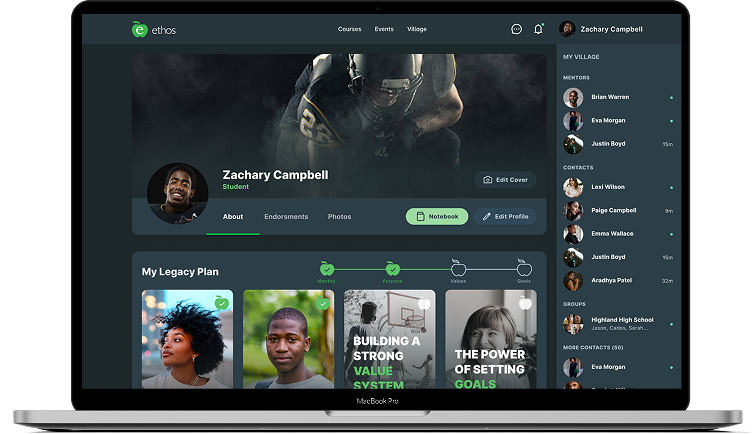
- Engagement Model Dedicated Product Team
- Engagement Length 24+ Months
- Market Stage Live & Scaling
- Team Members 5+ Team Members
- Services Provided End-to-End Product Engineering

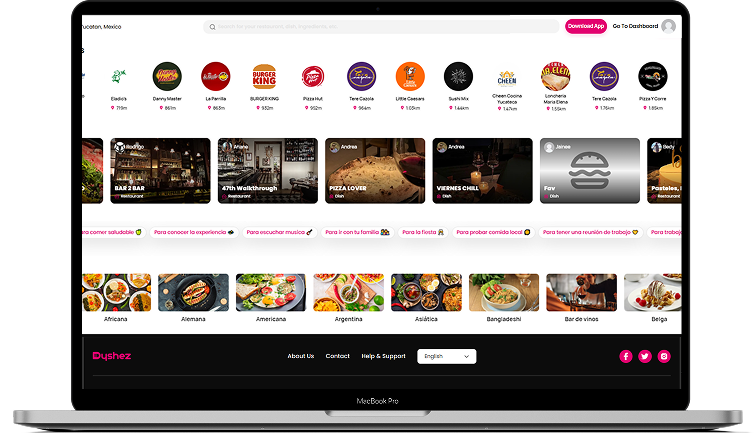
- Engagement Model Dedicated Product Team
- Engagement Length Long-Term Engagement
- Market Stage Live & Scaling
- Team Member 6+ Team Members
- Services Provided End-to-End Product Engineering

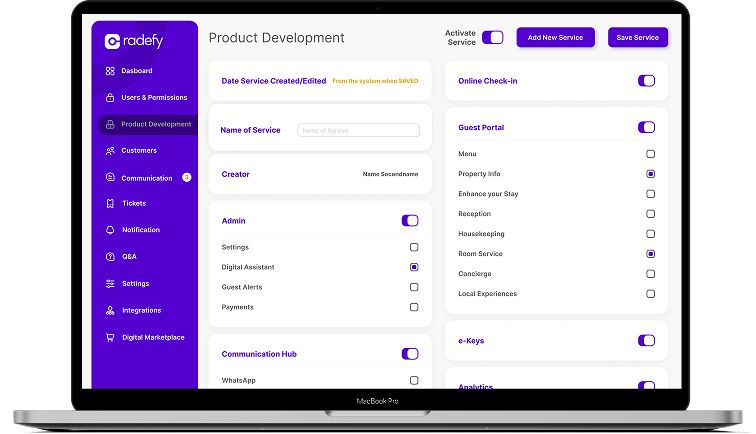
- Engagement Model Enterprise Engineering Partnership
- Engagement Length 24+ Months
- Market Stage Growth & Scaling Phase
- Team Member 4+ Team Members
- Services Provided PMS Integration & Hospitality API Integration Services

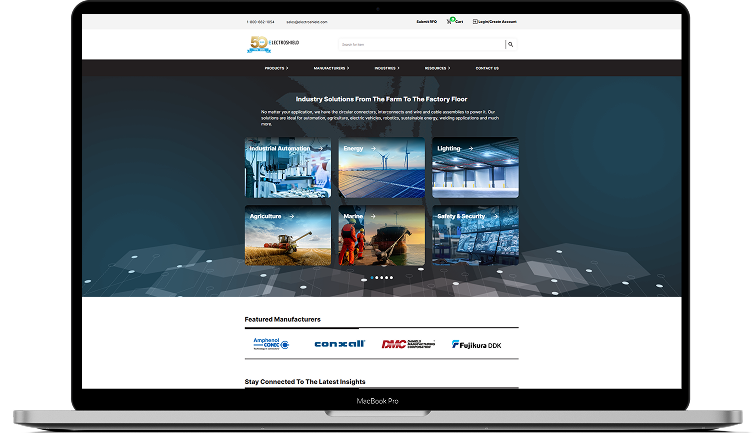
- Engagement Model Product Engineering Partnership
- Engagement Length 12+ Months
- Market Stage Live & Scaling
- Team Member 6+ Team Members
- Services Provided End-to-End Product Engineering

- Engagement Model Product Engineering Partnership
- Engagement Length 12+ Months
- Market Stage Live Product with Active Scaling
- Team Member 4+ Team Members
- Services Provided IoT Healthcare Development
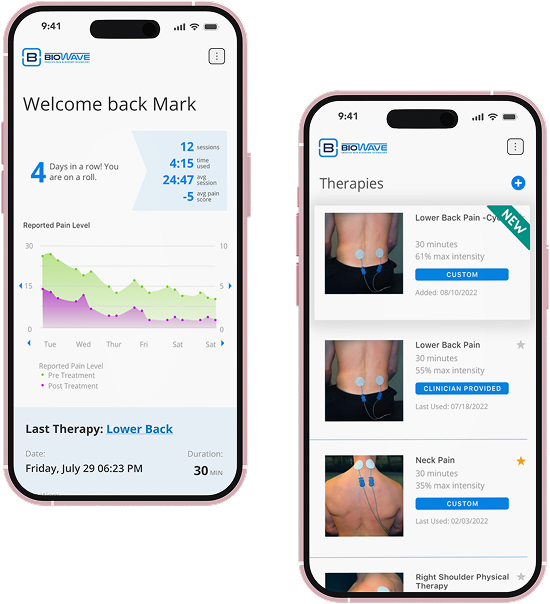
Proven work. Measurable outcomes.
See how we deliver on complex, high-impact Initiatives.End-to-end React Native Services
Our React Native Development Services for Robust App Solutions
- React Native Android App Development
- React Native iOS App Development
- React Native Consulting
- Cross-platform App Development
- Full-Cycle React Native Development
- UI/UX Design for React Native
- React Native Integration
- React Native Code Audit
- App Migration to React Native
- React Native MVP Development
- Server-Side APIs
- App Maintenance & Support

React Native Android App Development
We build high-performing and scalable Android applications using React Native, focusing on performance optimization, usability, and alignment with your business objectives.
Our Android Development Strengths:
- Android-focused app evelopment
- Scalable application architecture
- Optimized Android performance
- Consistent user experience
- Secure Android delivery

React Native iOS App Development
We build reliable and scalable iOS applications using React Native, focusing on performance, usability, and alignment with your business objectives.
Our iOS Development Strengths:
- Business-driven development
- Scalable architecture
- Apple-optimized performance
- Seamless user experience
- Secure app delivery

React Native Consulting
We provide expert React Native consulting to help you define the right strategy, architecture, and roadmap for your mobile application.
Our Consulting Expertise:
- Requirement analysis
- Architecture selection
- Risk assessment
- Roadmap planning
- Performance consulting

Cross-platform App Development
We develop dynamic cross-platform applications using React Native to help businesses achieve faster development cycles and improved ROI.
Our Cross-Platform Capabilities:
- Unified codebase
- Consistent user experience
- Faster market launch
- Cost-efficient development
- Enhanced performance

Full-Cycle React Native Development
Our full-cycle React Native development services cover the entire process, from planning and UI design to deployment and post-launch support.
Our End-to-End Approach:
- End-to-end development
- Intuitive UI design
- Scalable solutions
- Modern toolsets
- Quality-driven practices

UI/UX Design for React Native
As an experienced React Native development company, we design intuitive and engaging user experiences that align with your app goals and user expectations across platforms.
Our Design Capabilities:
- User-centric design
- Cross-platform consistency
- Optimized user flows
- Scalable design systems
- Design-development collaboration

React Native Integration
As a reliable React Native development company, we help integrate third-party services, APIs, and native features into your application to ensure smooth functionality and a connected user experience.
Our Integration Expertise:
- Third-party integrations
- Native module integration
- Secure data flow
- Backend interoperability
- Scalable integration support

React Native Code Audit
We offer comprehensive code audit services to evaluate the quality, security, and performance of your existing React Native applications.
Our Code Review Focus:
- Code quality review
- Performance bottleneck identification
- Security assessment
- Best practice compliance
- Improvement recommendations

App Migration to React Native
We help businesses migrate their existing mobile applications to React Native while ensuring zero downtime and data integrity.
Our Migration Capabilities:
- Smooth migration
- Zero data loss
- Improved performance
- Cross-platform enablement
- Secure transition

React Native MVP Development
We build cost-effective MVPs using React Native to help you validate your idea quickly and efficiently.
Our MVP Development Approach:
- Rapid MVP builds
- Cost-efficient execution
- Feature-focused development
- Faster validation
- Scalable foundation

Server-Side APIs
We develop secure and scalable server-side APIs to support seamless communication between React Native applications and backend systems.
Our Backend Integration Strengths:
- Robust APIs
- Secure data exchange
- Scalable backend
- Efficient communication
- High-performance integration

App Maintenance & Support
We provide ongoing maintenance and support services to ensure your React Native applications remain stable, secure, and up to date as your business grows.
Our Support Services:
- Performance monitoring
- Bug fixes
- OS compatibility support
- Feature enhancements
- Long-term support
Achieve your Ideal React Native Solutions with Expert Precision
Why Partner
Why Partner with eSparkBiz?
We help businesses build scalable, high-performing React Native applications by combining strong mobile engineering expertise with modern UX and cross-platform practices, ensuring faster delivery, consistent performance, and long-term scalability outcomes.
-
Proven Excellence with React Native Engagements delivering reliable, production-ready mobile applications
-
Agile React Native Development Approach enabling faster releases and adaptability to evolving business needs
-
Secure Application Development Practices ensuring data protection and platform compliance
-
Customized React Native Solutions aligned with specific business goals and user requirements
-
Recognized by Trusted Software Industry Evaluators
- Listed among Leading Global Software Development Companies by IPLocation
- Named as Top Software Development Outsourcing Company by CXOToday
- Featured in the IEEE list of Top Nearshore Software Development Firms
- Ranked among Leading AI Compliance Companies by DesignRush
 15+ Years of Expertise
  100% NDA-protected Contract
  95% Client Retention Rate
  Access to 45+ Technologies



Technologies
Robust Technology Stack Powering Our React Native App Development Excellence
-
Frontend
9
-
Backend
6
-
Desktop
5
-
Database
19
Desktop
- C++
- C#
- Qt
- Objective-C
Database
- Async Storage
- Azure SQL Database
- Cassandra
- Core data
- Firebase
- Firestore
- Apache Hive
- MongoDB
- MySQL
- ObjectBox
- Oracle
- PostgreSQL
- Realm
- Redis
- Room Persistence Library
- Sembast
- SQLite
- WatermelonDB
Testimonials
Our Clients Say About Us
We focus on making clients happy and always appreciate their opinions. We aim to provide superior services to earn trust and to become a go-to choice in the Software industry.





Useful Resources
Useful Resources for React Native App Development
We deliver curated expert knowledge-driven content, offering strategic depth, industry relevance, and actionable insights for confident technology decisions.

Flutter Development
Accelerate Mobile Success with Flutter Engineering Capabilities

Kotlin Development
Optimize Mobile Experiences with Kotlin Development Excellence

Mobile App Development
Create Scalable Mobile Applications across Diverse Platforms

PWA Development
Achieve Reliable PWAs with Cross-device Performance

Application Modernization
Modernize Applications for Enhanced Performance and Agility

Web App Development
Build Dynamic Web Applications for Complex Business Needs
Expert Insights
Expert Insights for React Native App Development
We actively analyze emerging technologies and applications, publishing insightful articles. Access our latest expert blogs and updates for valuable industry knowledge.


 July 30, 2026
 FAQs
Frequently Asked Questions
Access answers to the Common Questions, businesses always have in their mind when consulting with an Ideal React Native Development Partner.
What is React Native?
React Native is a framework that allows developers to build native mobile apps for iOS and Android using a single JavaScript codebase, reducing development time and cost.
What is the difference between React and React Native?
React is a JavaScript library for building web application user interfaces. React Native is for building mobile applications, rendering native components rather than web elements.
How much does it cost to build a React Native Mobile app?
Costs vary based on app complexity, features, and developer location. A basic MVP might cost $5,000–$18,000, while complex apps range from $48,000–$95,000+. We provide a custom quote after analyzing your specific requirements.
What kind of applications can you build using React Native?
We build diverse apps including cloud-native microservices, mobile ERP/POS systems, social networking apps, AR apps, and audio/video streaming platforms. React Native is ideal for high-performance, cross-platform solutions across various industries.
What are the benefits of using React Native?
Benefits include a single codebase for iOS/Android, faster time-to-market, cost efficiency, and a near-native user experience. It offers hot reloading for rapid development and a large community ecosystem for robust support.
Will your React Native App developers be available for a meeting in my time zone?
Yes, our global delivery model ensures time zone alignment. We guarantee a minimum of 4-5 hours of overlapping work time with your preferred time zone (e.g., EST, PST, GMT) for seamless collaboration and daily communication.
Can you help me complete my incomplete web or Native app development project?
Yes, we specialize in project recovery and modernization. Our team conducts a thorough code audit to identify vulnerabilities and technical debt, then provides a clear roadmap to complete the project efficiently with optimized performance and stability.
How is eSparkBiz the best choice for my React Native App development project?
eSparkBiz is a CMMI Level 3 certified company with a 4.9-star Clutch rating and over 15 years of experience. We offer pre-vetted senior developers, fast onboarding, transparent processes, and strong IP protection to ensure project success.
What hiring engagement models are available at eSparkBiz?
We offer flexible engagement models:
- Staff Augmentation (extending your existing team)
- Dedicated Development Teams (full project management by us)
- Fixed-Price Contracts (for defined project scopes)
Do you provide an NDA for the privacy of my project?
Yes, data security and IP protection are paramount. A strict, high-authority Non-Disclosure Agreement (NDA) is signed before any project details are shared, ensuring 100% confidentiality of your intellectual property and business idea.
Do you provide your clients with post-development support and maintenance?
Yes, support continues after deployment. We offer robust maintenance packages that include monitoring, security updates, performance tuning, and bug fixes to ensure your application remains stable and current.
What are the top React development companies in 2026?
Top React Native Development Companies in 2026 include eSparkBiz, Sigma Software, Vincit and MentorMate, recognized for technical expertise and high client satisfaction.


